
Spring Climbing Escape:
A Destination Trip to Horseshoe Canyon Ranch
Week-long road trip to northern Arkansas focused on sport climbing and outdoor living.
Spring Break Climbing Camp Overview
WHO
High school climbers with relevant climbing experience.
WHAT
7-day, 6-night sleepaway outdoor rock climbing camp
WHERE
Horseshoe Canyon Ranch in Jasper, AR
WHEN
Sat Mar. 28 -
Fri Apr. 3, 2026
PRICE
$2,195 includes meals, camping, instruction & most equipment
GROUP SIZE
12 students per session; 4:1 student:staff ratio
Spring Break Rock Climbing in the Ozarks
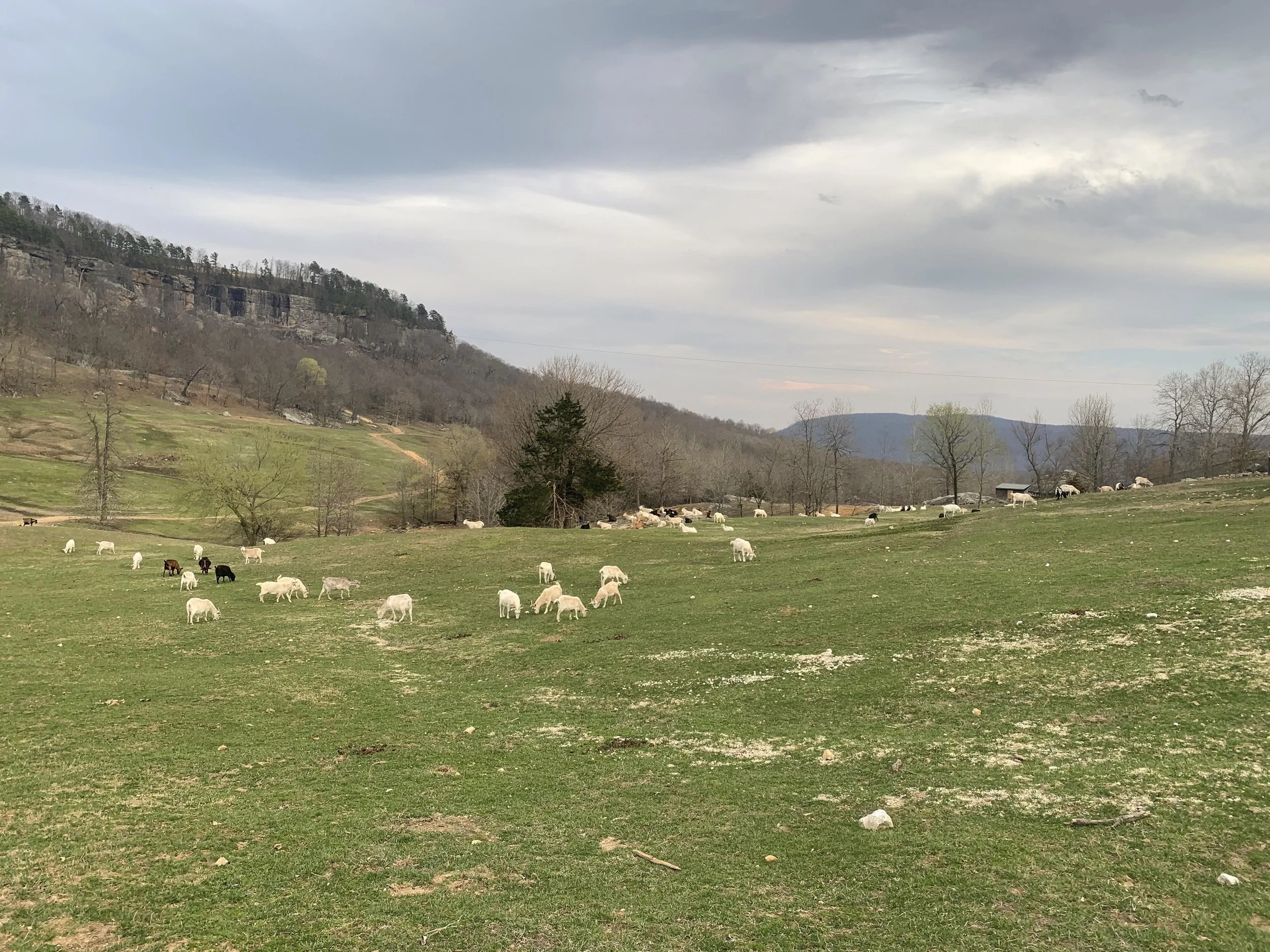
We love climbing for many reasons. We particularly enjoy the people we meet and the places it takes us, which is why we are excited to offer our first-ever traveling climbing camp. Similar to the structure of our Teen Climbing Camp, our Spring Break trip takes us to the Ozarks to explore the hundreds of sandstone sport climbs at Horseshoe Canyon Ranch (HCR).
Warm(er) Spring Weather
March in the Upper Midwest is “mud season.” We’re tired of the cold and wet! School spring break offers a great opportunity to escape the dreary skies and find better climate. Average daily highs in Jasper are around 60 degrees F at the March/April boundary.
Reasonable Travel Distance and Cost
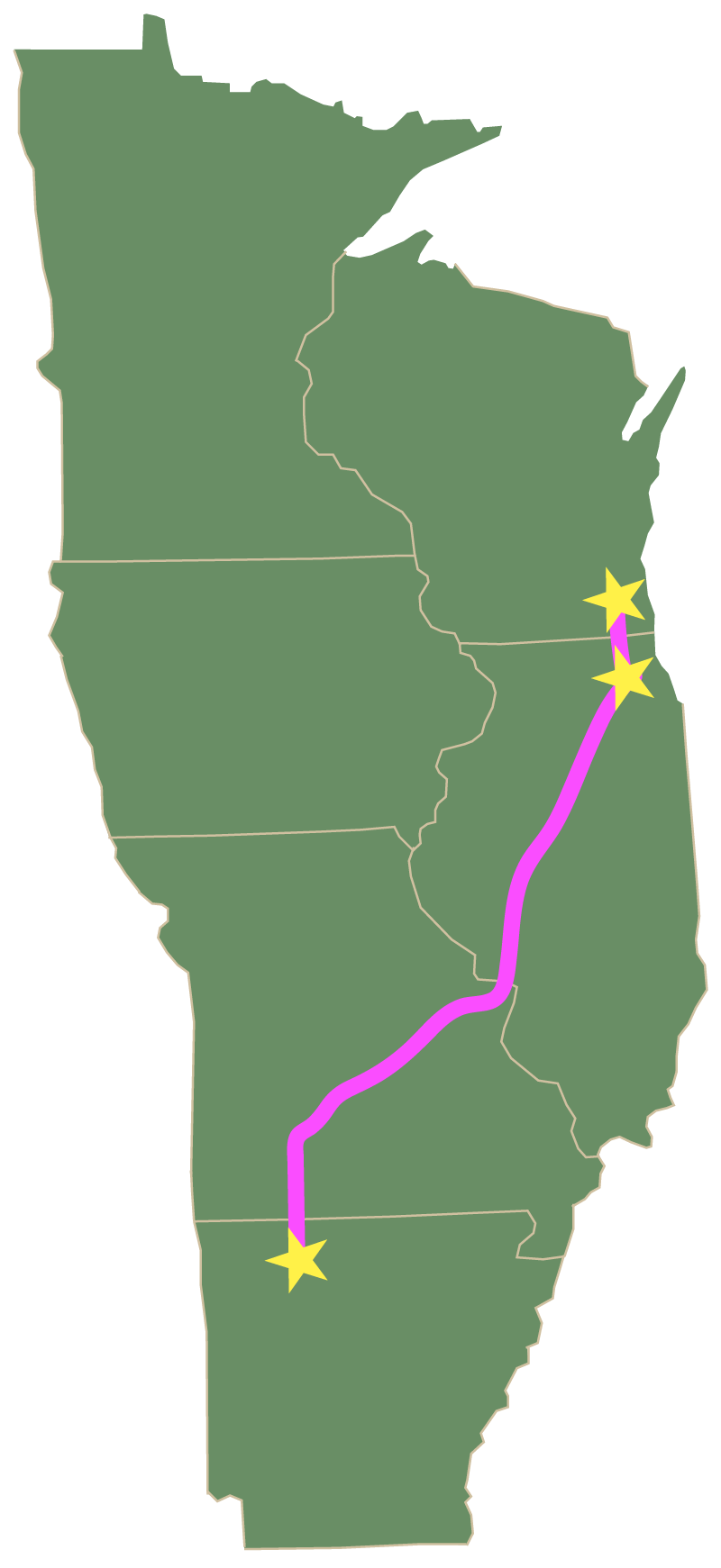
HCR is a reasonable drive from many major Midwest cities (roughly 9.5 hours from Chicago). While that’s not a “short drive,” it’s much more reasonable and affordable than flying to Las Vegas.
Why Horseshoe Canyon Ranch?
Fantastic Sport Climbing and Bouldering for All Abilities
Located in the heart of the Ozarks, Horseshoe Canyon Ranch offers hundreds of stellar sandstone climbing routes. Unlike the Red River Gorge, HCR offers loads of easy to moderate climbs in addition to difficult routes, making it a great learning environment for less experienced leaders.
While most of the crags are fully bolted sport routes, opportunities for trad climbing and bouldering are also available. When we are not climbing, there are plenty of other outdoor recreation activities available in and around Jasper, AR, including hiking, mountain biking, canoeing/kayaking, and more.
Great Infrastructure
Once we arrive, we access to 5-star campsite facilities. HCR has recently developed a very nice campground, with flat sites, trees, and a great showerhouse. With hundreds of climbs available within a 30 minute hike, there’s no need to drive to the crag. Countless climbers flock to Horseshoe Hell every year for because HCR is simply a great place to get lots of climbing in with minimum logistics headaches.
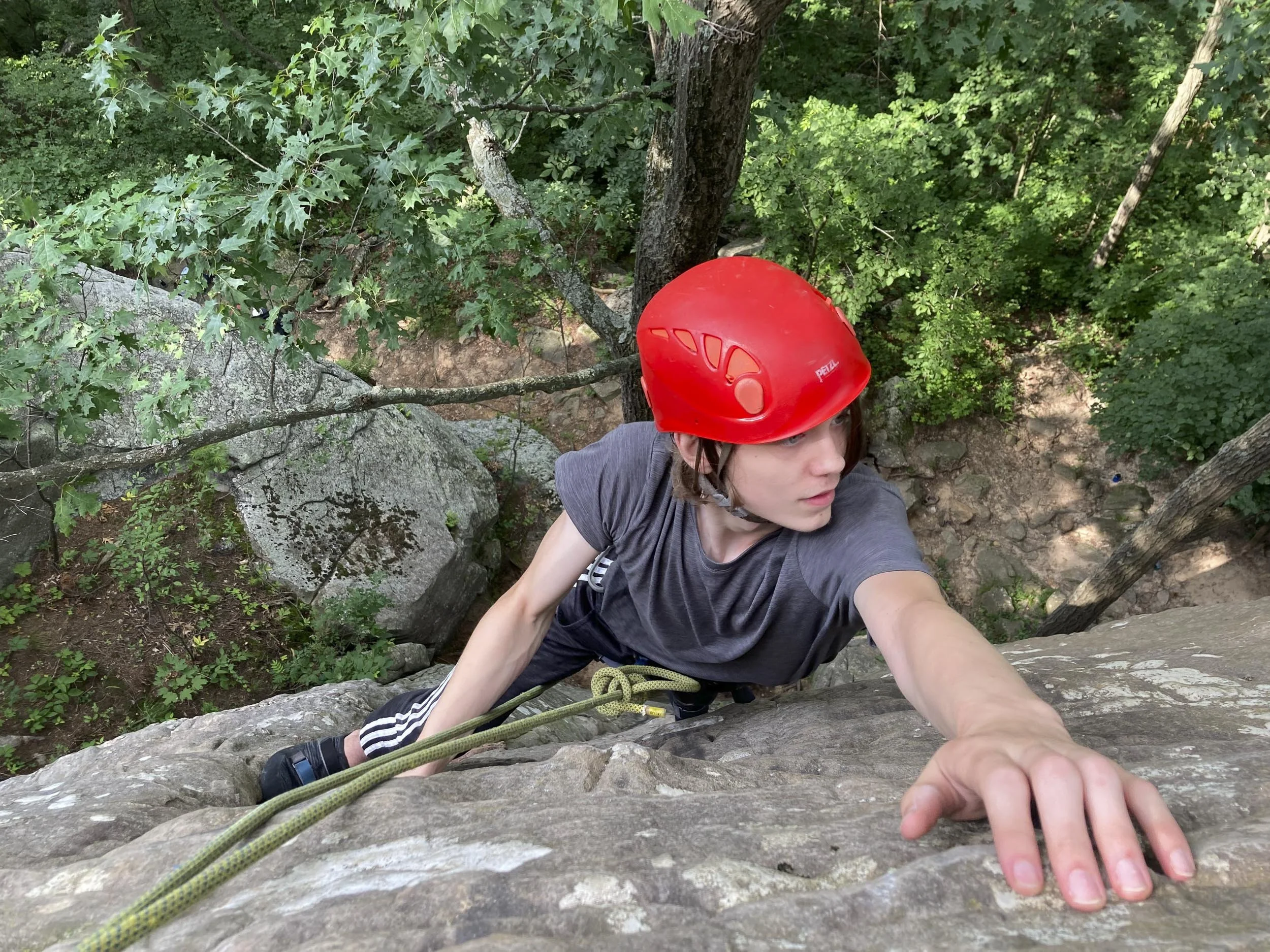
“Horseshoe Canyon Ranch (HCR) offers some of the finest sandstone in Arkansas with nearly 420 routes ranging from 5.5 to 5.14. The majority of the routes are fully bolted sport climbs, but there are also many fine trad routes and a plethora of good boulder problems.”
LOGISTICS
WHO IS THIS SPRING BREAK CLIMBING TRIP FOR?
Campers of all identities entering 9th-12th grade with a desire to progress their ability to sport climb. While previous exposure to outdoor and/or sport climbing, outdoor living, and time away from home are helpful, it is not required.
Prerequisites
Campers must check one of the following prerequisites:
DLCG Teen Climbing Camp alumni
Climbing team member with a coach letter of recommendation
Avid climber with a log demonstrating relevant sport climbing experience
Expectations
We expect campers to demonstrate maturity in handling self-care and group responsibilities throughout the week of camp. Examples include:
Rise and prepare yourself each morning for the day’s agenda
Learn, follow, and lead with group responsibilities around camp
Maintain an optimistic attitude throughout the week
Engage with adversity and explore responsible ways to overcome it
Prepare to accept (and even embrace) failure in the pursuit of learning
Step up to support and help the team
Communicate clearly and effectively
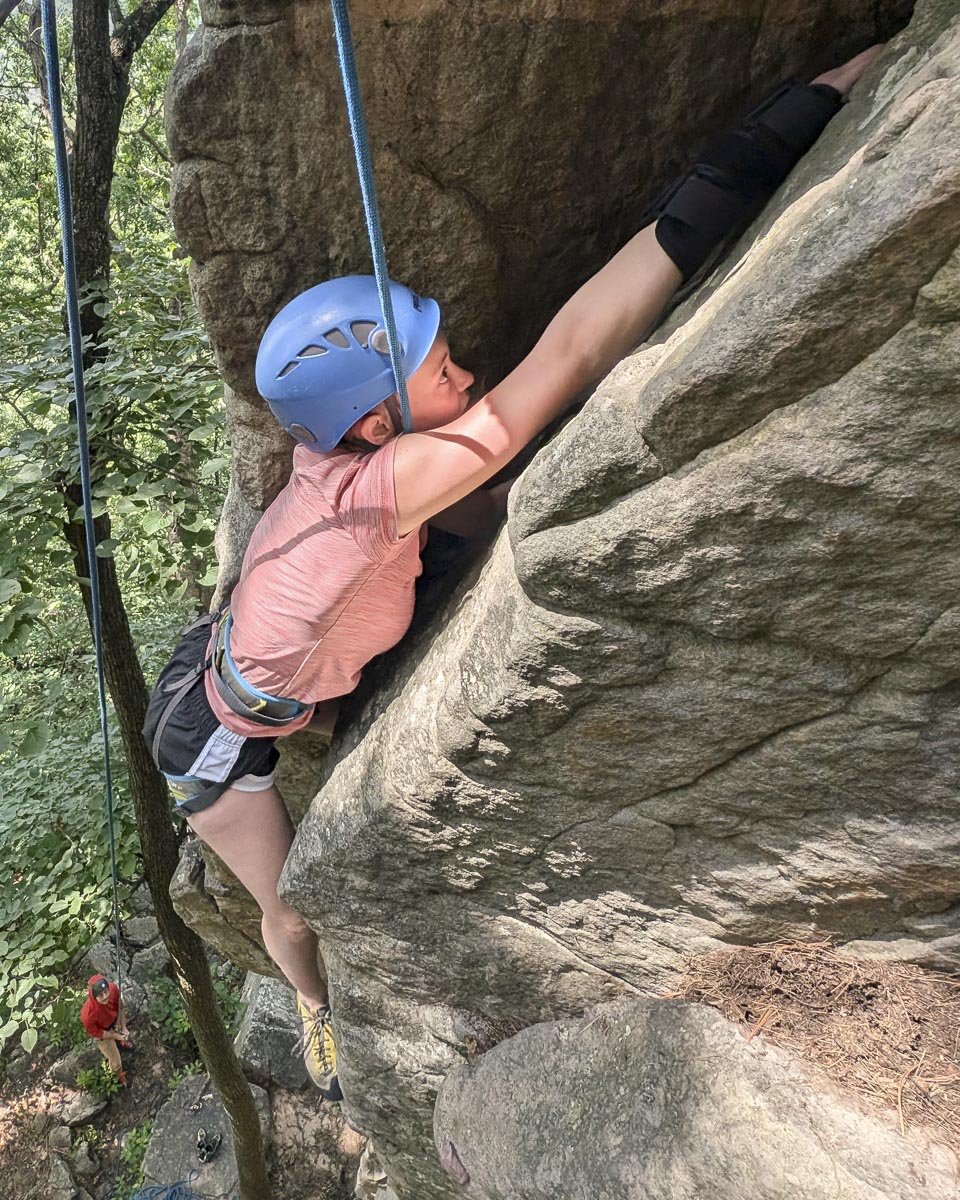
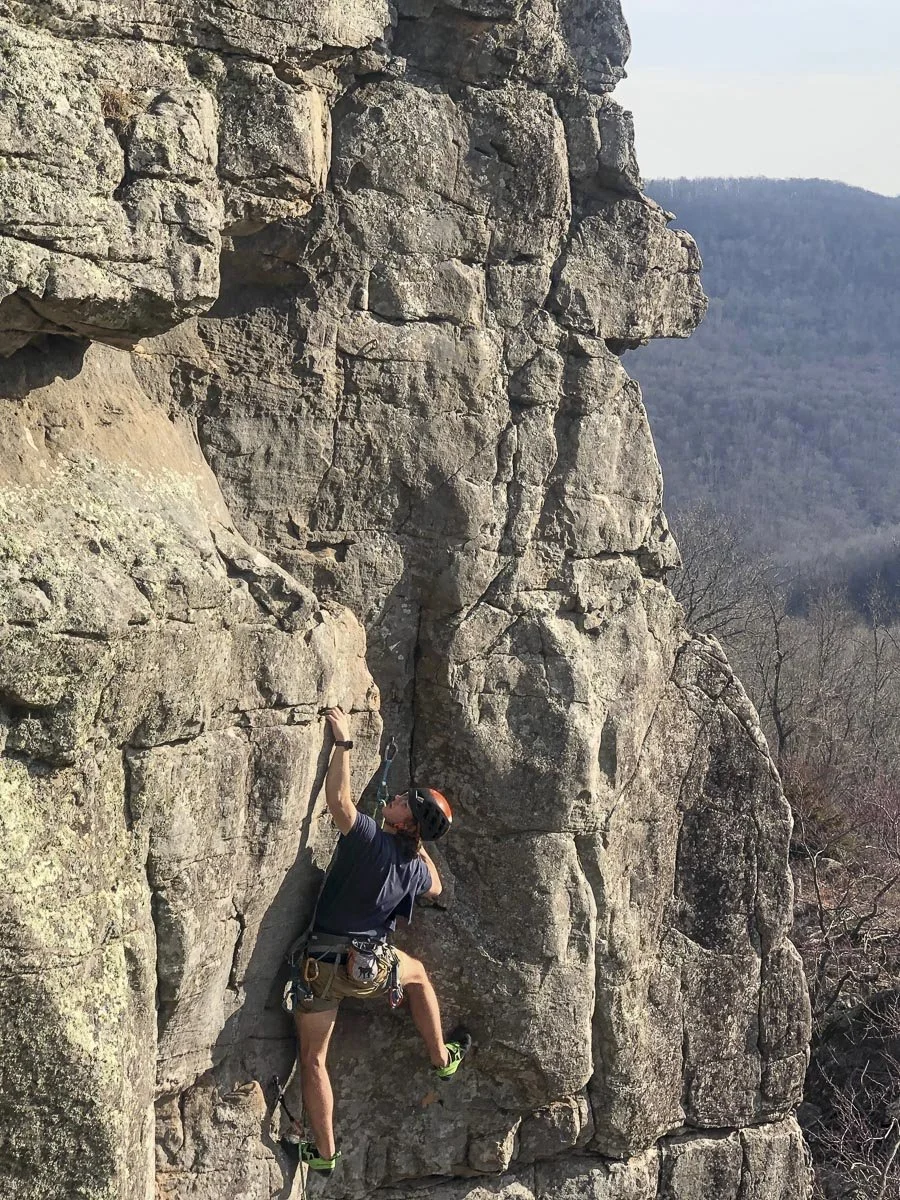
WHAT WILL WE BE DOING?
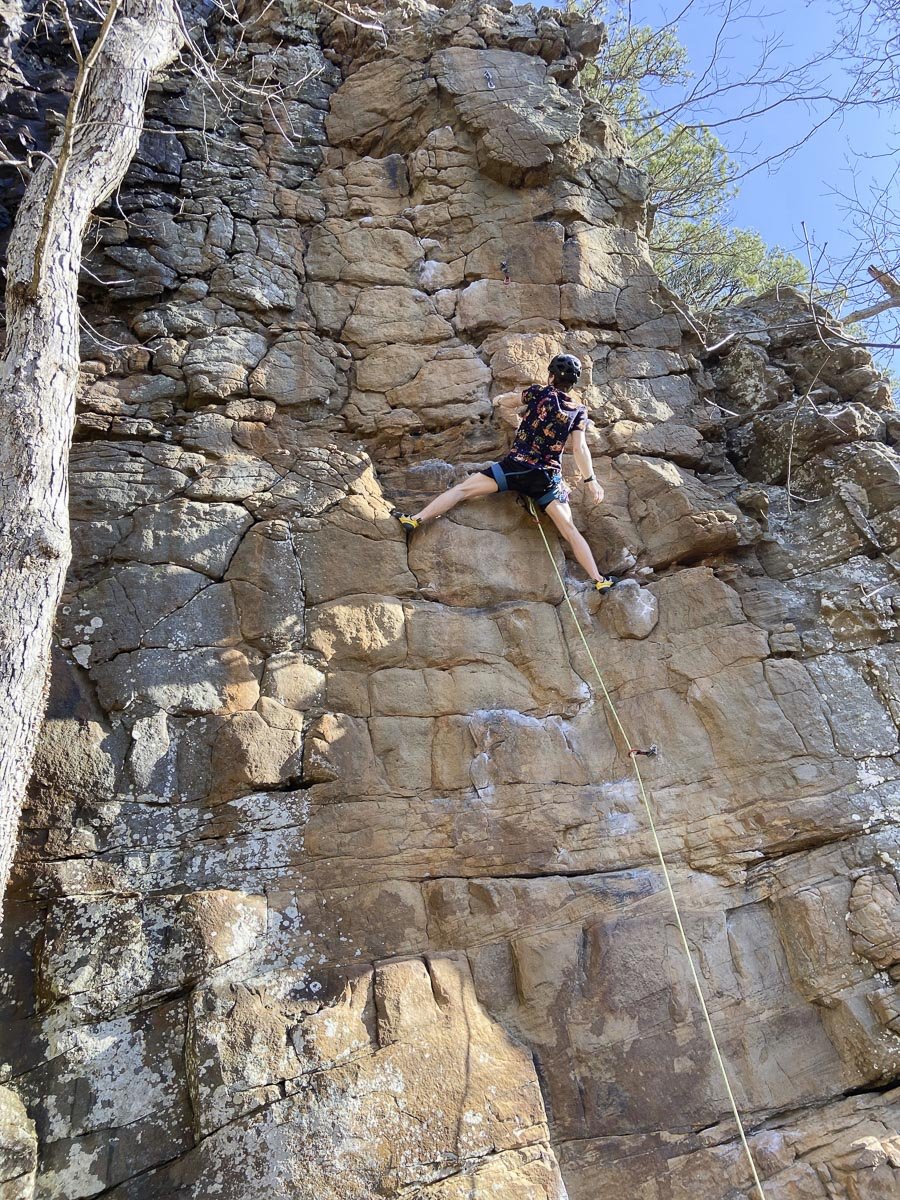
In addition to all usual instruction provided during our camps, this offering has a heavy emphasis on sport climbing, a type of climbing where a climber uses a quickdraw to clip the rope to permanent bolts in the rock as they progress as a means of protection).
Curricular topics will include:
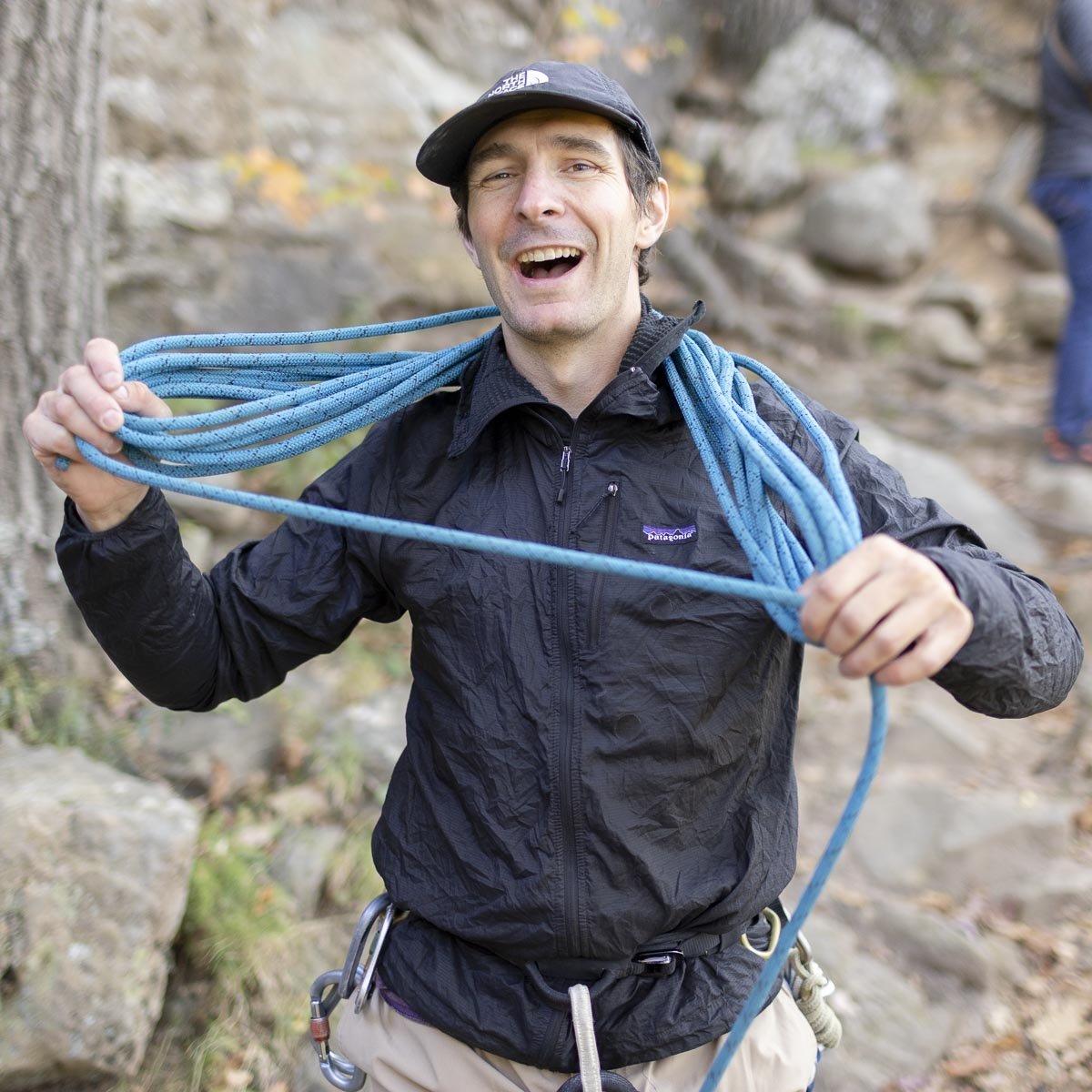
Gear: We will identify the necessary gear when sport climbing, learning appropriate terminology/parts, how to rack it, and appropriate use.
Lead Belaying: Students will practice lead belaying and catching falls under the watchful eye of instructors providing live, in-the-moment feedback.
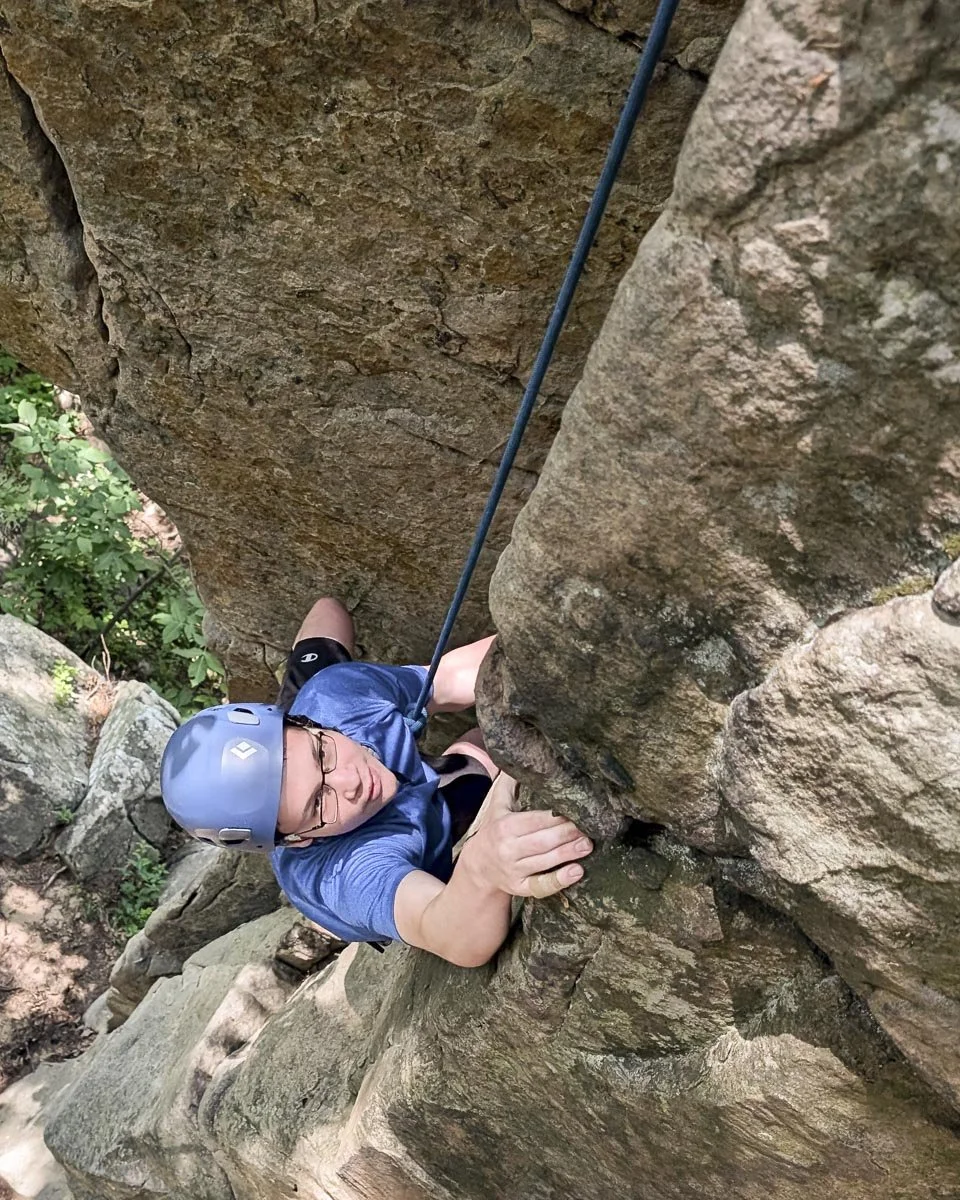
Lead Climbing: Climbers will gain confidence by better understanding lead climbing through instructor demonstration & coaching. There will be ample practice time for clipping and falling in a mock setting (on top rope) before tackling live leads on the “sharp” end.
Cleaning Sport Routes: Campers will learn how to retrieve their gear following the completion of a route, and how to minimize gear loss in the event they have to bail off a route without completing it.
In addition to climbing instruction, campers can expect to engage in:
Camp Setup & Breakdown: Tents, sleeping gear, shared spaces, campfires, defending against adverse weather and raccoons(!)
Nutrition & Hydration: Meal planning & preparation, cooking, clean up, and packing lunch
Self-Care: Personal hygiene, sun protection, sufficient hydration, adequate sleep, and communicating personal needs
Trip Planning: Selecting destinations and climbing routes, packing personal and group gear, and setting individual and group objectives
Risk Management: Understanding core concepts of risk and risk management, tracking weather forecasts, learning climbing best practices, managing time, creating contingency plans, and communicating effectively
Outdoor Adventure: Hiking, swimming, outdoor living, and lots of climbing!
PRE-TRIP MEETING
A mandatory, virtual pre-trip meeting will be hosted by instructors prior to this trip (Date: TBD). It will serve as a great opportunity to get to know your instructors & fellow campers, understand the finer details of the trip, and ask questions.
HOW WILL TRANSPORTATION WORK?
Campers will meet early on Saturday, March 28th at one of two rendezvous points in either Milwaukee (6 AM) or Chicago (8 AM). The Milwaukee group will drive to Chicago, pick up the second team, and continue on to Arkansas.
Pick-up will take place the evening of Friday, March 3rd at the same rendezvous locations, Chicago (6 PM) and Milwaukee (8 PM). Specific rendezvous locations will be shared upon registration.
WHAT IS INCLUDED/NEEDED?
A detailed packing list will be shared upon registration. We value our ability to provide most climbing, camping, and cooking gear, though campers provide their own daypacks, tents, and sleeping bags & pads.
Transportation, camping, and most meals (Sunday dinner - Friday breakfast) are included. We prepare nutritious meals on-site, and can accommodate most dietary needs. Students are responsible for lunches on travel days (Sunday and Friday) in the St. Louis area.
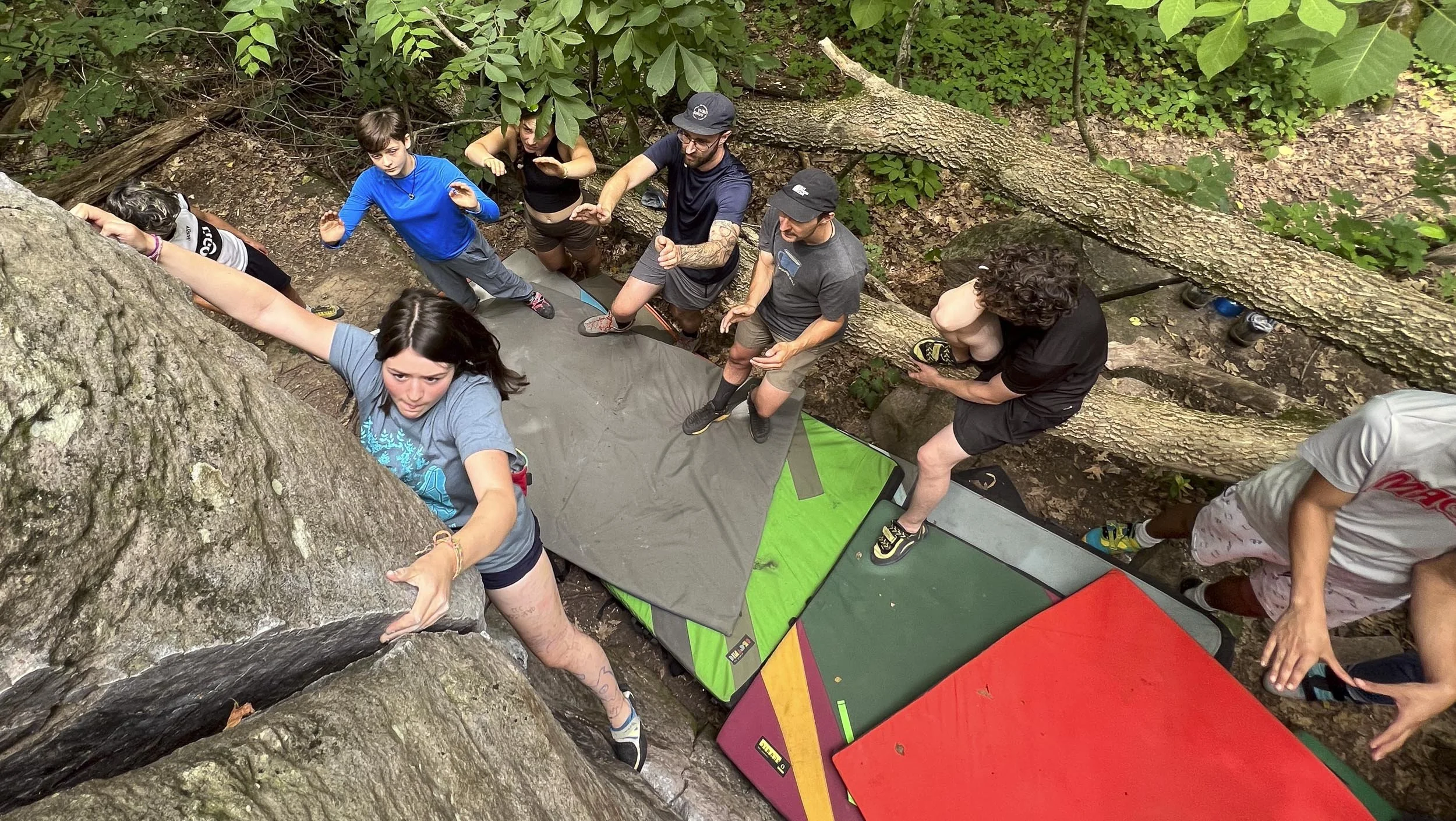
“This is one of the best places I have ever been to, to bring new climbers. TONS of easy and moderate climbs with forgiving rests and holds. Not too tall either. In addition there are classic 5.8’s next to classic 5.12’s so the experienced climber can belay the newbie, take a few steps and work a project.”
MANAGING RISK
Preventing accidents, minimizing consequences
Climbing camp activities carry inherent, unavoidable physical and emotional risks. We manage these risks, but we cannot eliminate them. This is what we mean when we refer to "real" adventure. We believe engaging in activities with real consequences creates a potent learning environment.
To mitigate the risks involved in our activities, we take the following steps:
TRAINED STAFF - All Teen Climbing Camp Lead Instructors complete a variety of rigorous trainings to prepare them for camp.
All Lead Instructors, and many of our Apprentice/Assistant Instructors are certified AMGA Single Pitch Instructors, the gold standard for single-pitch climbing terrain.
All Lead Instructors hold current Wilderness First Responder certification. This 80-hour training is specific to managing injuries and illnesses in areas where definitive medical care is delayed two or more hours.
All Teen Climbing Camp Lead Instructors undergo ACA Mental Health training. This helps us recognize and address mental health challenges with strategies developed by mental health professionals. We consciously create an inclusive environment through education on systemic injustices specific to teens who identify as LGBTQIA+, BIPOC, and/or other marginalized identities.
All Teen Climbing Camp Lead Instructors are trained in athlete abuse prevention from SafeSport, a national organization which provides education on recognizing and preventing abuse to young athletes.
FRANK TALK - We help students and parents understand the risks inherent to our adventures, and we don't hide possible consequences. If a large rock strikes your head, a submerged log catches your sandal, or a car accident occurs driving to the crag, a participant can be seriously injured or killed. We discuss risk so students can confront, consider, and make more informed decisions.
ADVANCED INSTRUCTION - Learning the right skills in a low-risk atmosphere increases the likelihood of success in more adverse conditions. We conduct ground schools to help students understand the skills and communications they will need to successfully navigate the terrain of our adventures.
INSTRUCTOR JUDGMENT - Our daily itinerary is subject to a variety of factors. Weather, individual abilities, and other user groups are all important factors in outdoor sports. We make daily, in-the-moment decisions to best suit each group of campers.
SAFETY EQUIPMENT - We follow industry standards and take a balanced approach to safety equipment (helmets, harnesses, ropes, carabiners, crash pads, etc). Instructors carry first aid kits appropriate to their level of training, and cell phones in the event of an emergency.
SAFETY PROTOCOLS - For every area we adventure in, we know where to find emergency medical help. In the case of traumatic accidents, we call 911 and manage injuries/illnesses until definitive care arrives. For non-emergency illnesses, we consult with parents, when possible, and act accordingly.
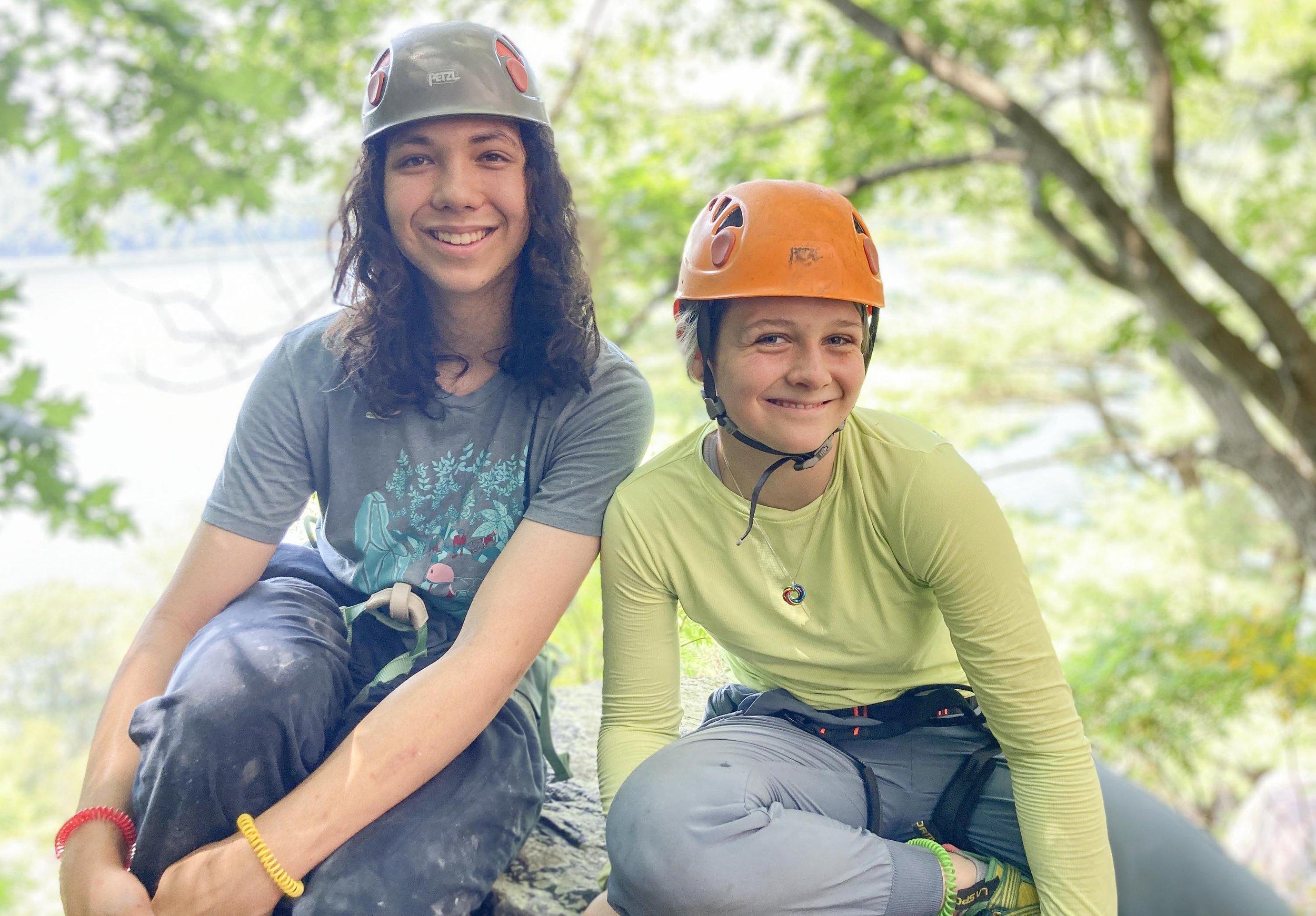
“Teen Climbing Camp is a community that is united around a passion for the outdoors, exercise, and climbing that is separate from differing beliefs and experiences. The camp is physically demanding, but you learn important skills (communication, responsibility, safety, etc.) that will help you in the real world.”
STAFF
Teen Climbing Camp staff meet high standards as educators, facilitators, and outdoor sports enthusiasts. Please learn more below and let us know if you have questions regarding our training, philosophy, or backgrounds. We want parents and students to have a strong idea of who we are, why we do this work, and where our strengths lie.

Training
All Lead Instructors are:
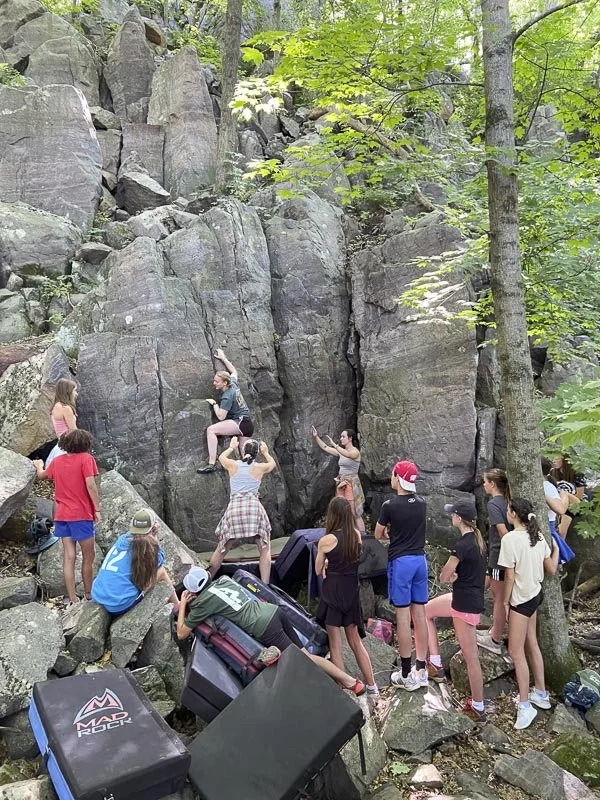
Small class sizes
We maintain a maximum 4:1 ratio of students to instructors because we know mentor-mentee relationships are a core value of our experience together. Small class sizes create a meaningful adventure environment and help us manage risk.

Attitude
We treat our youth clients with the same respect, attention, and enthusiasm with which we treat adult clients. We hope to pass along a passion for adventure while facilitating personal growth for these young adults. We truly love what we do and can't wait to meet your students!
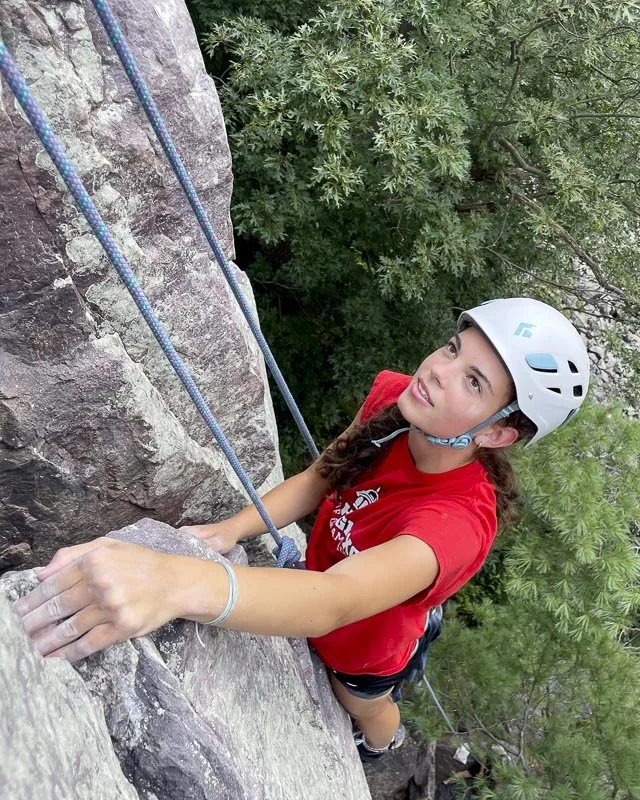
Psych
We are rock climbers ourselves! We understand the positive impact climbing can have through personal experience, and feel incredibly fortunate to share it with others. Especially when done a week at a time at our home bluffs of Devils Lake State Park.
LEAD instructors

Kyle Harding is a loving father, passionate climber, and a seasoned educator. He works full-time as a special education teacher. Kyle is a TCC founder and is excited for another summer filled with adventure.
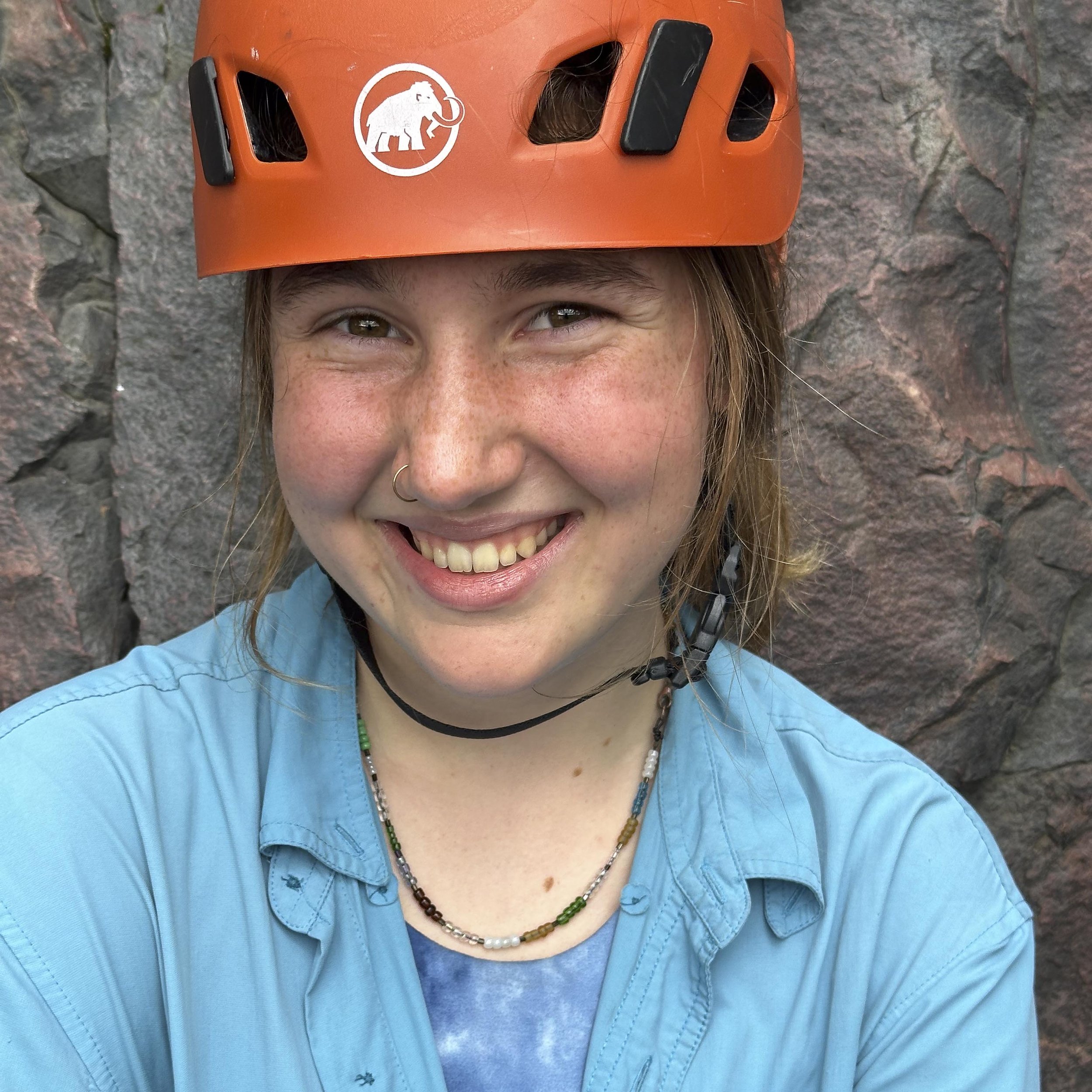
Aria Johnson graduates from the Computer Science Dept at UW Stevens Point in May 2026. Now in her third year as a climbing instructor, Aria excels not only in risk management and technical skills, but in games and fun.

Tyler Davis guides both rock and ice climbing and has experience working throughout the East Coast & Midwest. Tyler is a true professional who puts his clients at ease and knows how to inject fun into every interaction.

Vicente Delgado is an Milwaukee elementary school teacher, cycling enthusiast, runner, cook and maker. He has been guiding rock climbing for over a decade and is a PCIA Single Pitch Instructor Provider.
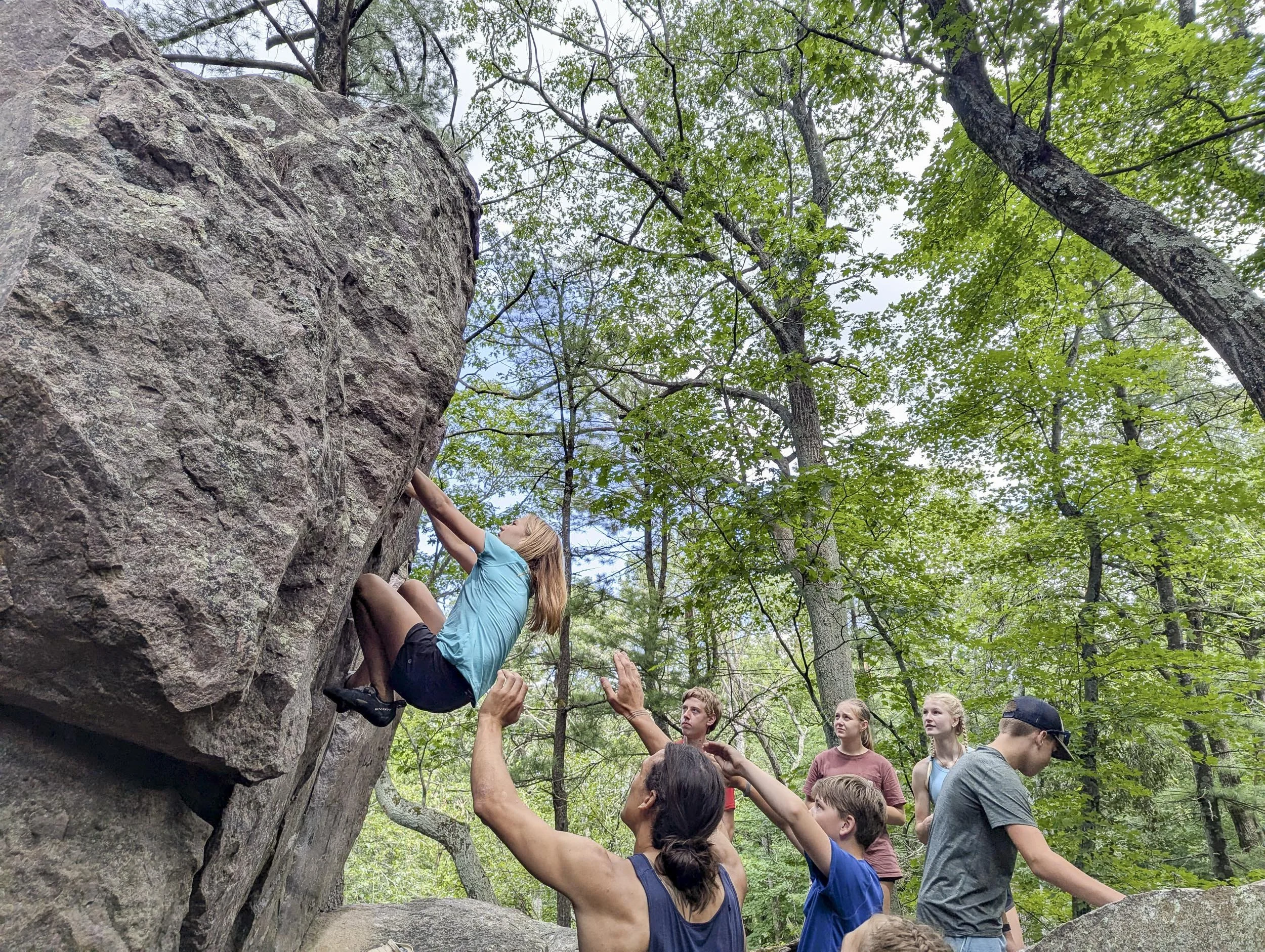
Ready For AN AWESOME SPRING BREAK ROAD TRIP?
enrollment Begins Monday, December 15th
Click the yellow button to reach our camp registration form. Once you’ve completed it and paid, we will send additional information on camp logistics. Please contact us with any questions.